Long Hours of Sitting
Sitting for hours at a desk or behind the wheel tightens hip flexors and weakens the muscles that support your spine.

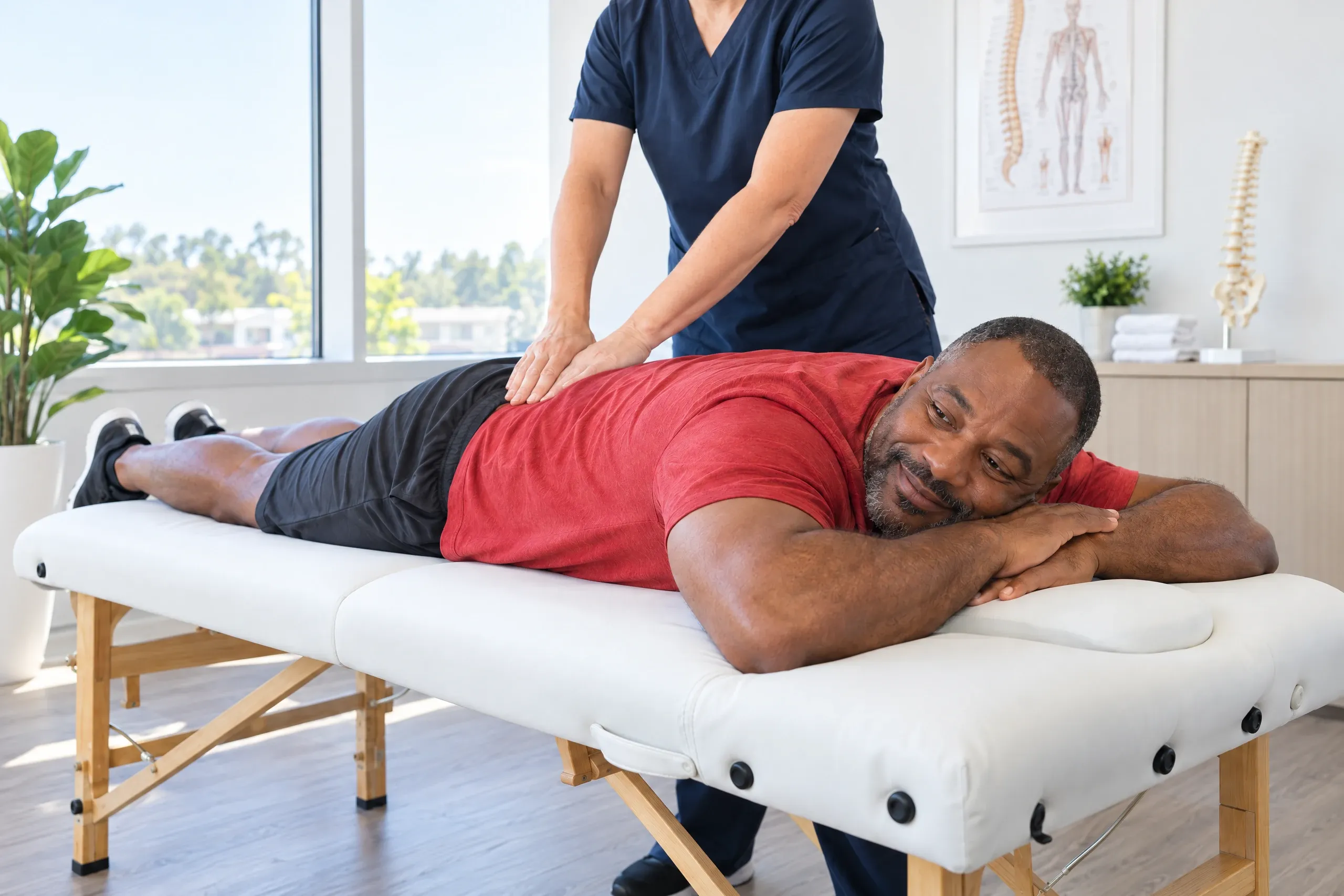
Non-Opioid, Non-Surgical Relief for Back Pain
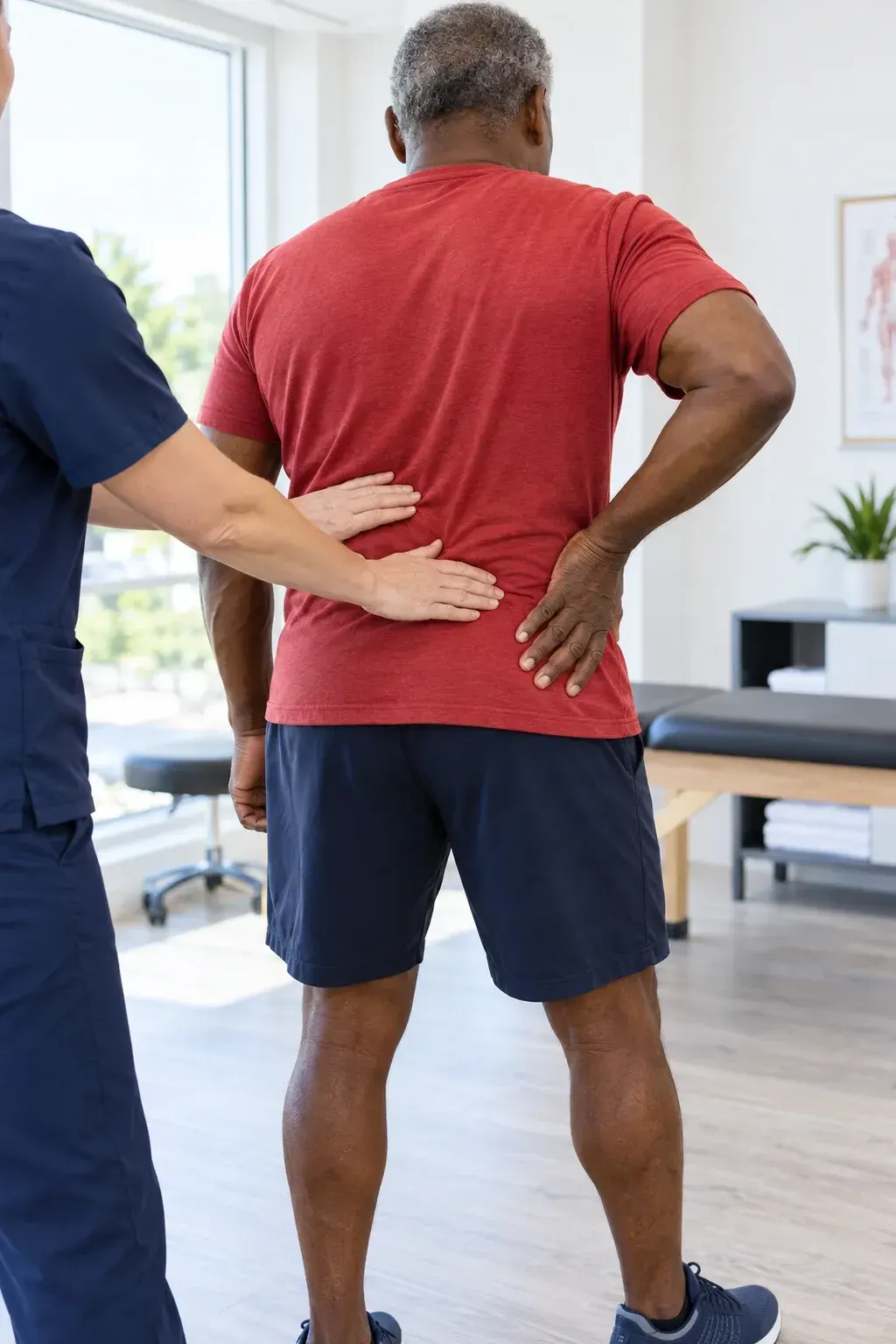
Recognizing the Signs
Back pain is discomfort anywhere along the spine, from the base of the neck to the tailbone. Most cases involve the lower back, where muscles, discs, joints and nerves carry the weight of the upper body. Back pain treatment at Ready Pain Management in Gulf Breeze, FL starts with finding which of these structures is the true source of your pain.
When you have back pain, it may feel like a dull ache after a long day, a sharp catch when you bend, or stiffness that makes getting out of bed slow. Some people also feel pain that travels into the hip or leg.
Back pain can make it hard to work, sleep, lift a grandchild or enjoy a round of golf. Many patients tell us they are tired of being told to rest and wait. Our team, led by Dr. Douglas Boler, MD, focuses on a clear diagnosis and a plan you understand.
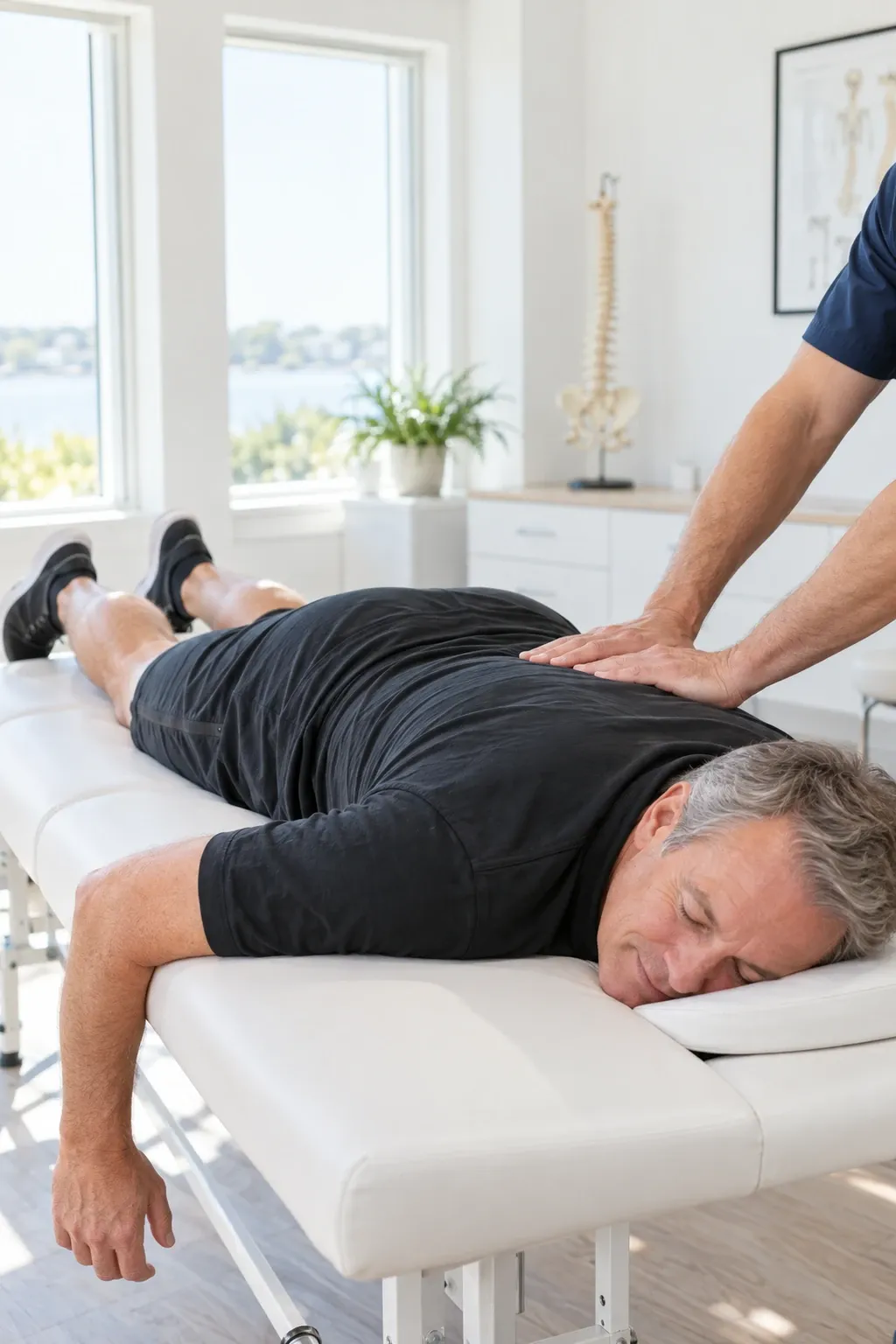
Understanding the Root Causes
Your lower back has five lumbar vertebrae, cushioned by discs and supported by layers of muscle. When this system is balanced, load spreads evenly. Weak core muscles, poor posture or a sudden strain shift that load onto a few small structures, and they become irritated.
Irritated tissue sends pain signals, and nearby muscles tighten to guard the area. That guarding can form tender knots called trigger points, which add their own pain and limit movement. Less movement then leads to more stiffness and weakness, so the cycle continues.
Over time, discs lose some of their water content and the small facet joints can develop wear. A bulging disc can press on a nerve root and cause pain down the leg, often called sciatica. The National Institute of Arthritis and Musculoskeletal and Skin Diseases notes that most back pain is mechanical, meaning it comes from how the spine, muscles and joints work together.

How Timing Shapes Your Treatment Plan
Acute back pain lasts less than four to six weeks and often follows a clear event, such as lifting, a fall or a car accident. Pain that appears days after a collision is common, which we explain in why pain often starts days after a car accident.
Chronic back pain lasts 12 weeks or longer. At this stage the nervous system can become more sensitive, so pain may continue even after tissue has healed. That is one reason rest alone often fails, as we discuss in why your back pain is not getting better.
Pain that radiates below the knee points to nerve involvement. Our guide to lower back pain radiating down the leg covers this pattern, and our sciatica care page explains the options in detail.
Identifying Your Triggers
Sitting for hours at a desk or behind the wheel tightens hip flexors and weakens the muscles that support your spine.
When deep abdominal and back muscles are weak, the discs and joints of the lower back absorb more of each movement.
Lifting with a rounded back or twisting under load can strain muscles and irritate discs in a single moment.
Added weight increases daily load on the lumbar spine and can make standing and walking more painful over time.
Old sports injuries or car accidents can leave scar tissue, trigger points and movement habits that keep pain going.
Stress and poor sleep raise muscle tension and make the nervous system more sensitive to pain signals.

Physician-Led Care in Gulf Breeze
Finding Your Best Approach
Compare the non-surgical back pain treatments we offer in Gulf Breeze to see how each one fits your needs.
| Treatment | How It Works | Visit Type | Downtime | Best For |
|---|---|---|---|---|
| Shockwave Therapy | Acoustic waves support tissue healing | In office, short session | Little to none | Chronic muscle and facet pain |
| Trigger Point Injections | Targeted local anesthetic, with or without steroid | In office, brief visit | Mild soreness for a day or two | Painful muscle knots |
| Therapeutic Massage | Hands-on release of tight muscles | In office session | None | Muscle tension and stiffness |
| Core to Floor Program | Builds core and pelvic floor strength | In office, multi-week program | None | Weak core and recurring pain |
Recognizing When to Seek Help
The best lower back pain treatment depends on the cause of your pain. Guidelines favor non-drug options first, such as active movement, strengthening and hands-on therapy. At Ready Pain Management, Dr. Boler may combine shockwave therapy, trigger point injections, massage and core strengthening based on your exam. Results vary from person to person.
Yes, most people with back pain improve without surgery or opioids. Research supports exercise, manual therapy and targeted procedures for many types of mechanical back pain. Our plans use these non-opioid options first. If your exam suggests a problem that needs a surgeon, such as severe nerve compression, we will tell you and help you find the right specialist.
See a doctor if back pain lasts more than a few weeks, keeps returning or wakes you at night. Pain that spreads down your leg also deserves an exam. Go to an emergency room right away for loss of bladder or bowel control, numbness in the groin area, sudden leg weakness, fever with back pain or pain after a major fall.
Many patients notice some change within a few visits, but timing varies. Massage and trigger point injections may ease muscle pain within days. Shockwave therapy usually builds results over several weeks as tissue responds. Strength programs take longer and help prevent flare-ups. Dr. Boler will review your progress at each follow-up and adjust the plan as needed.
Yes, your first consultation and follow-up visits can be done by telemedicine. Telemedicine hours are Monday and Tuesday from 6:00 to 7:00 PM CST, plus Thursday and Friday during office hours. Hands-on treatments such as shockwave, injections and massage take place in person at our Gulf Breeze office on Thursday and Friday.
The cost of back pain treatment depends on the therapies in your plan and how many sessions you need. Ready Pain Management does not accept insurance, so care is self-pay. Your pricing is personalized and reviewed with you at the consultation. Third-party financing through InstaPaytient, by way of Affirm, may be available, subject to approval.
Massage can ease muscle tension and short-term back pain for many people. A Cochrane review found that massage may improve pain and function in the short term, especially alongside exercise. At our office, Kimberly Boler, LMT (MA76368), provides therapeutic massage as part of a broader plan directed by Dr. Boler. Results vary.
1337 Country Club Rd, Gulf Breeze, FL, 32563
Mon - Tue: 6 PM - 7 PM
Thu - Fri: 9 AM - 5 PM