Clenching and Grinding
Clenching or grinding your teeth, often during sleep, keeps the jaw muscles working for hours and leaves them sore by morning.

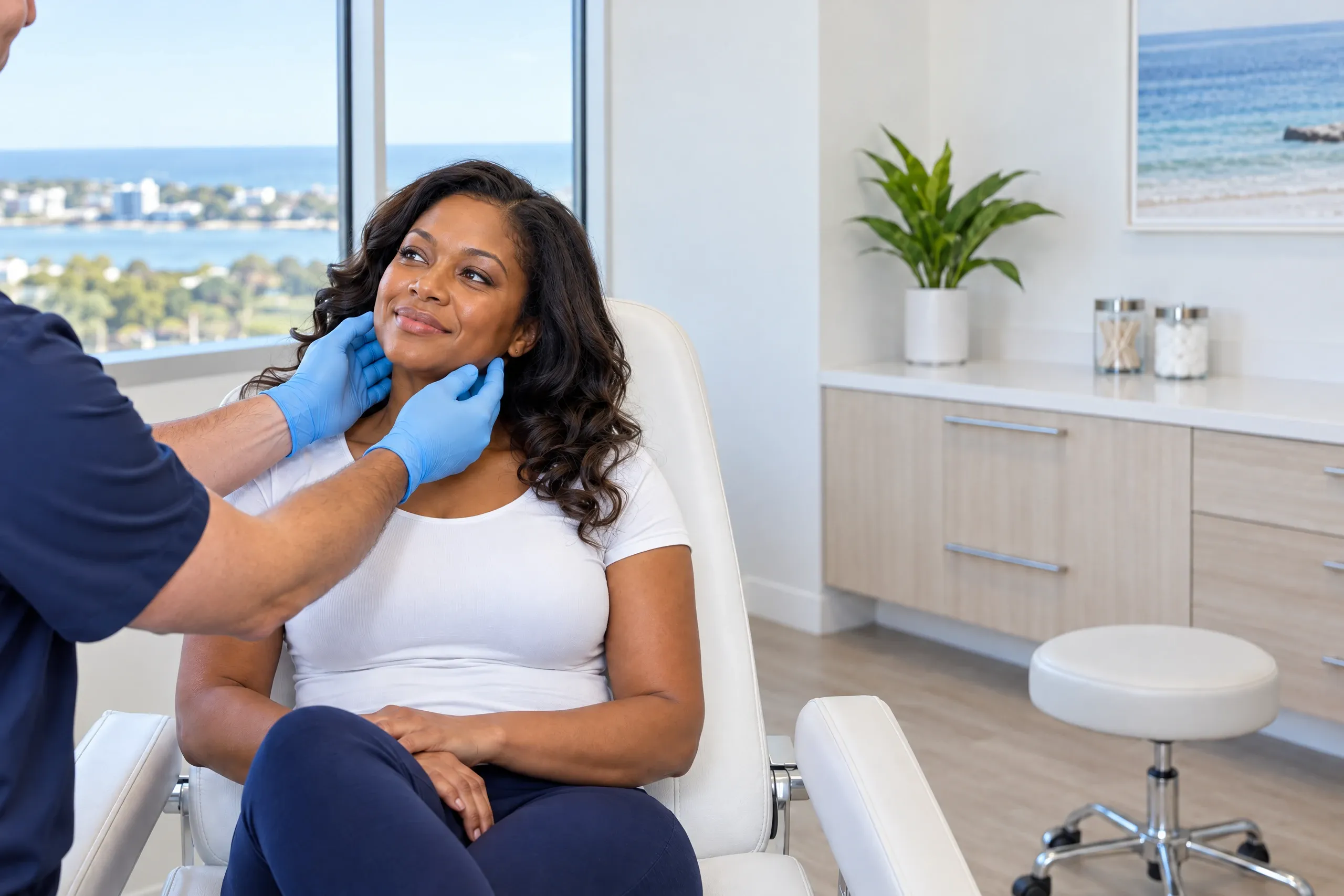
Relief for Jaw Pain, Tension and TMJ Disorders

Recognizing the Signs
TMJ stands for the temporomandibular joint, the hinge and sliding joint just in front of each ear that connects your lower jaw to your skull. When people say "TMJ," they usually mean a temporomandibular disorder (TMD). This is a group of conditions that cause pain and limited movement in the jaw joint and the chewing muscles around it.
When you have TMJ pain, you may notice an ache when you chew, a click when you open wide, tight cheeks in the morning or headaches near your temples. Some people feel it only now and then. For others it lingers for months and makes eating, talking and sleeping harder.
TMJ treatment at Ready Pain Management in Gulf Breeze, FL focuses on the muscle and pain side of jaw problems. Dr. Douglas Boler builds a non-opioid plan that can include Botox injections for clenching jaw muscles, and we coordinate with your dentist when teeth, bite or a night guard are part of the picture. TMJ is one of many pain conditions we treat in the Florida Panhandle.
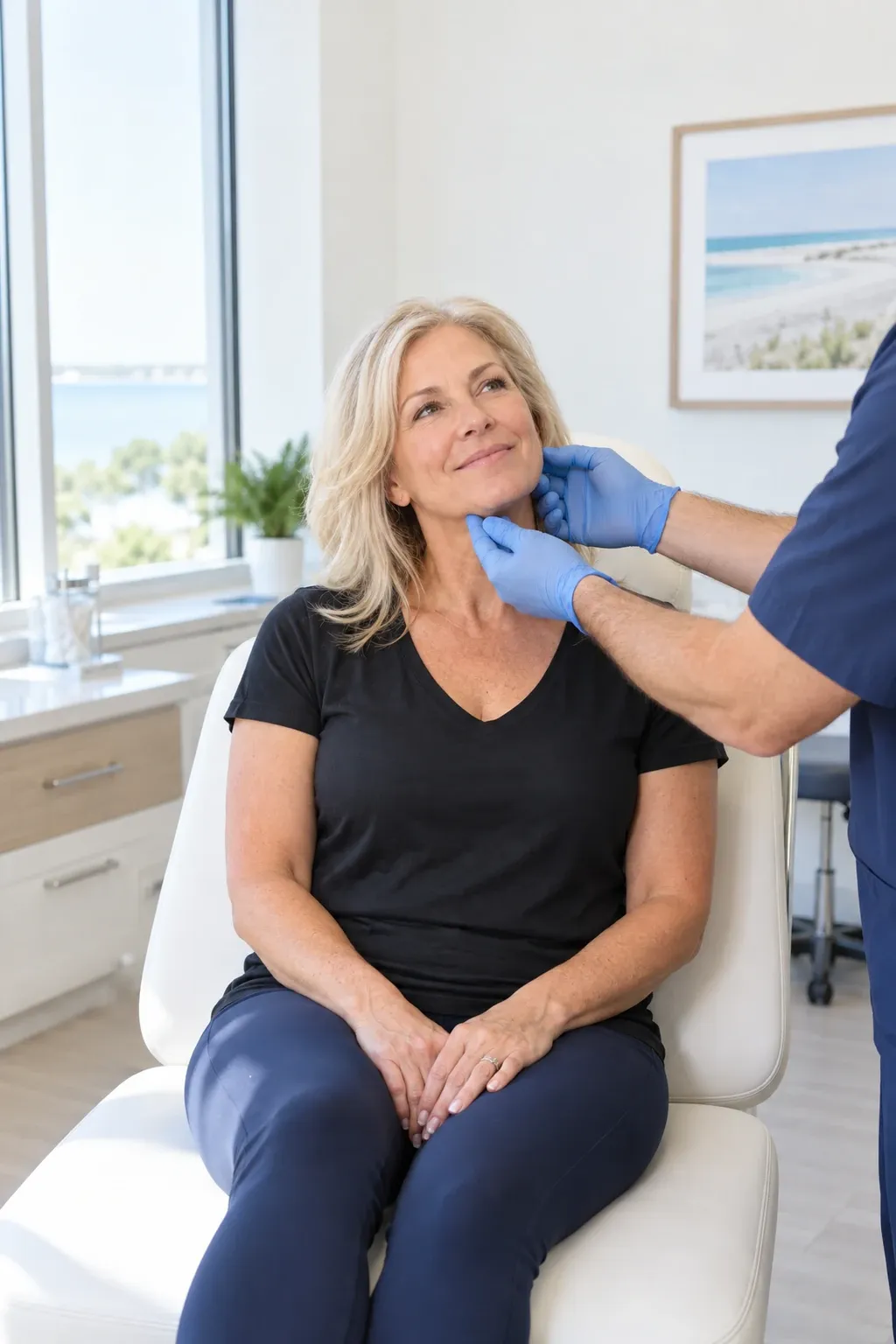
Understanding the Root Causes
Each jaw joint has a small disc of cartilage that cushions the bones as your mouth opens and closes. Your jaw moves thousands of times a day as you talk, chew and swallow, and strong muscles such as the masseter and temporalis do that work. The National Institute of Dental and Craniofacial Research notes that TMJ disorders are more common in women than in men.
Most TMJ pain is muscular. When jaw muscles stay tight from clenching or grinding, they become sore and develop tender knots. That pain can spread into the cheeks, temples, ears and neck. Less often, the problem sits inside the joint itself, such as a displaced disc or arthritis.
Over time, ongoing pain can make the nervous system more sensitive, so the jaw hurts with less provocation. That is one reason a plan that calms the muscles early often works better than waiting for the pain to pass.

How Your Care Team Shares the Work
TMJ sits where medicine and dentistry meet. Your dentist looks at your teeth, bite and grinding wear and may fit a custom night guard (an oral splint) to protect your teeth while you sleep. A pain physician looks at the muscles, nerves and pain patterns that keep the jaw sore.
At Ready Pain, Dr. Boler focuses on the muscle and pain side. When clenching muscles stay tight despite home care, he may discuss Botox for TMJ pain relief. Using Botox for TMJ is off-label. OnabotulinumtoxinA is FDA approved for other conditions, such as chronic migraine prevention, but not specifically for TMJ disorders. Research on this use is mixed, so we explain what the evidence shows before you decide.
Other options can support the jaw and the muscles around it. Trigger point injections for tender muscle knots and therapeutic massage with Kimberly Boler, LMT (MA76368) may ease tension in the jaw, neck and shoulders. Because jaw pain often travels with headaches and a stiff neck, your plan may also address neck pain and upper back tension or frequent migraine headaches.
Identifying Your Triggers
Clenching or grinding your teeth, often during sleep, keeps the jaw muscles working for hours and leaves them sore by morning.
Stress often shows up as a tight jaw, raised shoulders and clenched teeth during the day, usually without you noticing.
A blow to the face, a fall or a whiplash injury from a car accident can strain the joint and the muscles that move it.
Osteoarthritis or rheumatoid arthritis can affect the jaw joint, much like it affects the knees, hips and hands.
Long hours looking down at a phone or screen push the head forward and add strain to the neck and jaw muscles.
Chewing gum all day, biting your nails or eating very tough foods gives tired jaw muscles little chance to rest.

Expert Care in Gulf Breeze
Finding the Right Fit for Your Jaw
Compare the TMJ treatment options we offer in Gulf Breeze, FL. Your dentist may also recommend a night guard or bite care alongside them.
| Treatment | How It Helps | Visit Type | Downtime | Best For |
|---|---|---|---|---|
| Botox for Pain and Muscle Spasticity | Relaxes overactive clenching muscles (off-label for TMJ) | In-office injections | Little to none | Clenching and muscle-driven jaw pain |
| Trigger Point Injections | Local anesthetic, with or without a steroid, into tender knots | In-office injections | Little to none | Tender knots in the jaw, neck or shoulders |
| Therapeutic Massage | Hands-on work to ease tight jaw, neck and shoulder muscles | In-office sessions | None | Muscle tension tied to stress and posture |
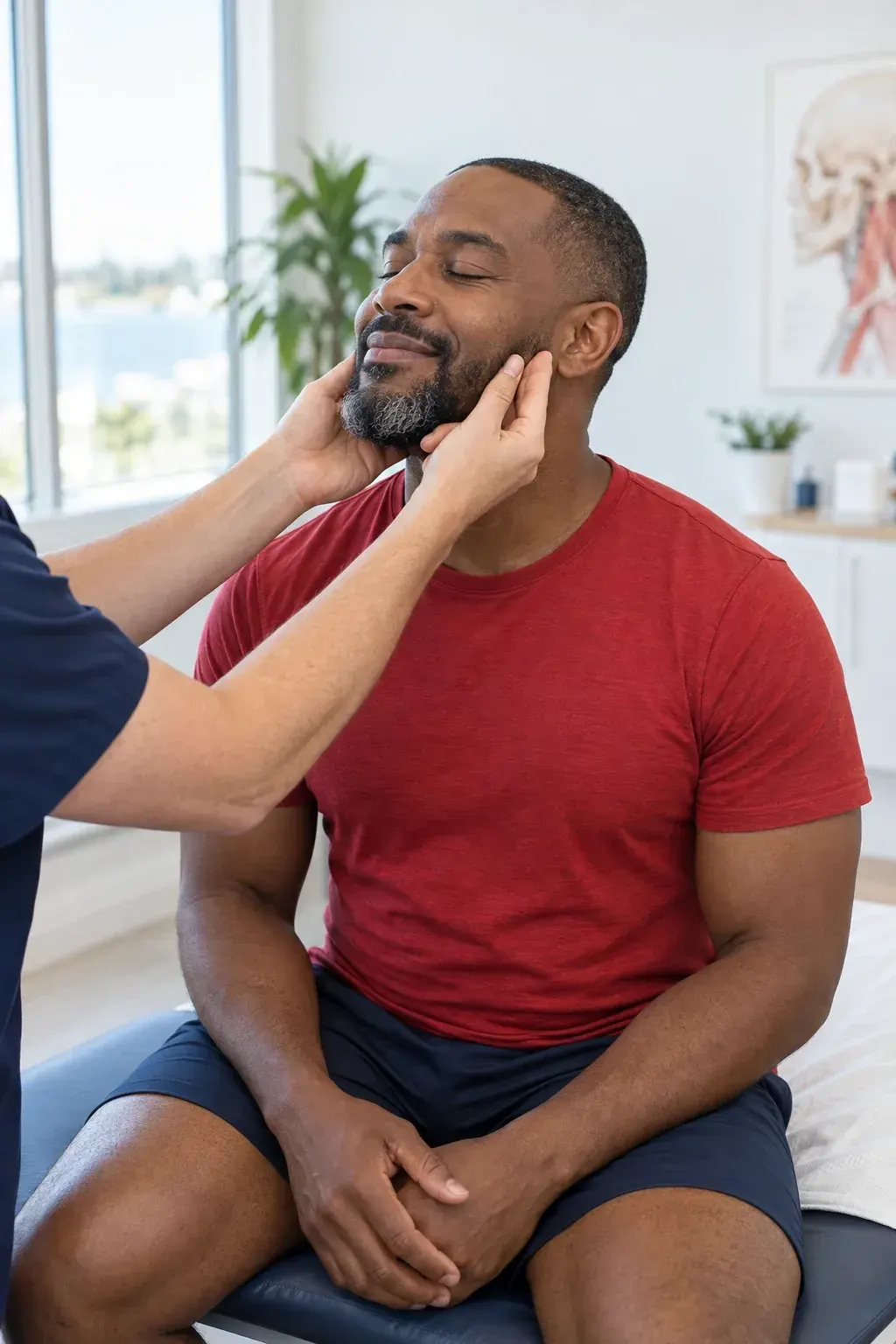
Recognizing When to Seek Help
There is no single best TMJ treatment for everyone. Most people improve with conservative care first, such as jaw rest, soft foods, heat, gentle stretching, stress management and a night guard from their dentist. When muscle pain persists, a physician may add trigger point injections, therapeutic massage or Botox. Your plan depends on whether the pain comes mainly from the muscles or the joint.
No, Botox is not FDA approved for TMJ disorders, so using it for jaw pain is off-label. OnabotulinumtoxinA is FDA approved for other conditions, including chronic migraine prevention. Studies on Botox for TMJ pain relief show mixed results, with some patients reporting less muscle pain. Dr. Boler reviews the possible benefits, limits and risks with you before any treatment.
Often both, and the two work well together. Your dentist checks your teeth, bite and grinding and can make a custom night guard. A pain physician like Dr. Boler looks at the muscles, nerves and pain patterns that keep your jaw sore. At Ready Pain we coordinate with your dentist so your care stays connected and nothing falls through the cracks.
When it helps, the effect usually lasts about three months, then the muscles gradually return to their usual strength. Some people notice a change within one to two weeks. Results vary, and repeat treatment is planned only if the first round was helpful and well tolerated. Dr. Boler reviews your response at a follow-up visit, which can often be done by telemedicine.
Yes, your first consultation and follow-up visits can be done by telemedicine for eligible patients. Telemedicine hours are Monday and Tuesday from 6:00 to 7:00 PM Central time. Injections and hands-on treatments are performed in person at our Gulf Breeze office on Thursdays and Fridays from 9:00 AM to 5:00 PM.
Pricing is personalized and reviewed at your consultation because every plan is different. Ready Pain Management does not accept insurance, so care is self-pay. Third-party financing through InstaPaytient, offered through Affirm, is available subject to approval, with terms set by the financing provider. Call (850) 735-4907 with any questions before your visit.
Call 911 right away if jaw pain comes with chest pain, shortness of breath, sweating or nausea, because this can signal a heart problem. See a clinician soon if your jaw locks open or closed, pain follows an injury, or pain comes with fever, swelling or trouble swallowing. For ongoing TMJ pain, an evaluation helps sort out the cause.
1337 Country Club Rd, Gulf Breeze, FL, 32563
Mon - Tue: 6 PM - 7 PM
Thu - Fri: 9 AM - 5 PM