Pregnancy and Childbirth
Carrying a baby and vaginal delivery can stretch the pelvic floor muscles and the nerves that control them.


Non-Surgical Treatment to Regain Bladder Control

Recognizing the Signs
Urinary incontinence is the accidental leakage of urine. It is common in both women and men, especially with age, but it is not something you simply have to accept. Urinary incontinence treatment at Ready Pain Management in Gulf Breeze focuses on strengthening the pelvic floor without surgery, after a medical evaluation of what is causing the leaks.
When you laugh, cough, sneeze, lift a grandchild or jump and feel a leak, or when a sudden urge sends you rushing to the bathroom and you do not make it in time, you are living with incontinence. Some people notice a few drops. Others soak through pads.
Leaks can quietly shrink your life. Many people stop exercising, skip trips, map every bathroom on the way and worry about odor or wet clothes. You are not alone, and help is available. Bladder control is one of the many conditions we treat in Gulf Breeze, FL.

Understanding the Root Causes
The pelvic floor is a sling of muscles that supports the bladder and squeezes the urethra closed. When it is strong, it holds urine in even when you cough or lift. The National Institute of Diabetes and Digestive and Kidney Diseases describes the main types. Stress incontinence is leaking with pressure such as a cough. Urge incontinence is leaking after a sudden, strong need to go. Mixed incontinence is both.
In women, pregnancy, childbirth and the drop in estrogen at menopause can stretch and weaken the pelvic floor. In men, leaks often follow prostate surgery or come with an enlarged prostate. Extra body weight, chronic cough and constipation add strain over time.
Once the muscles weaken, small pressure changes are enough to cause a leak. Many people then drink less or go to the bathroom more often to avoid accidents, which can irritate the bladder and make urgency worse.
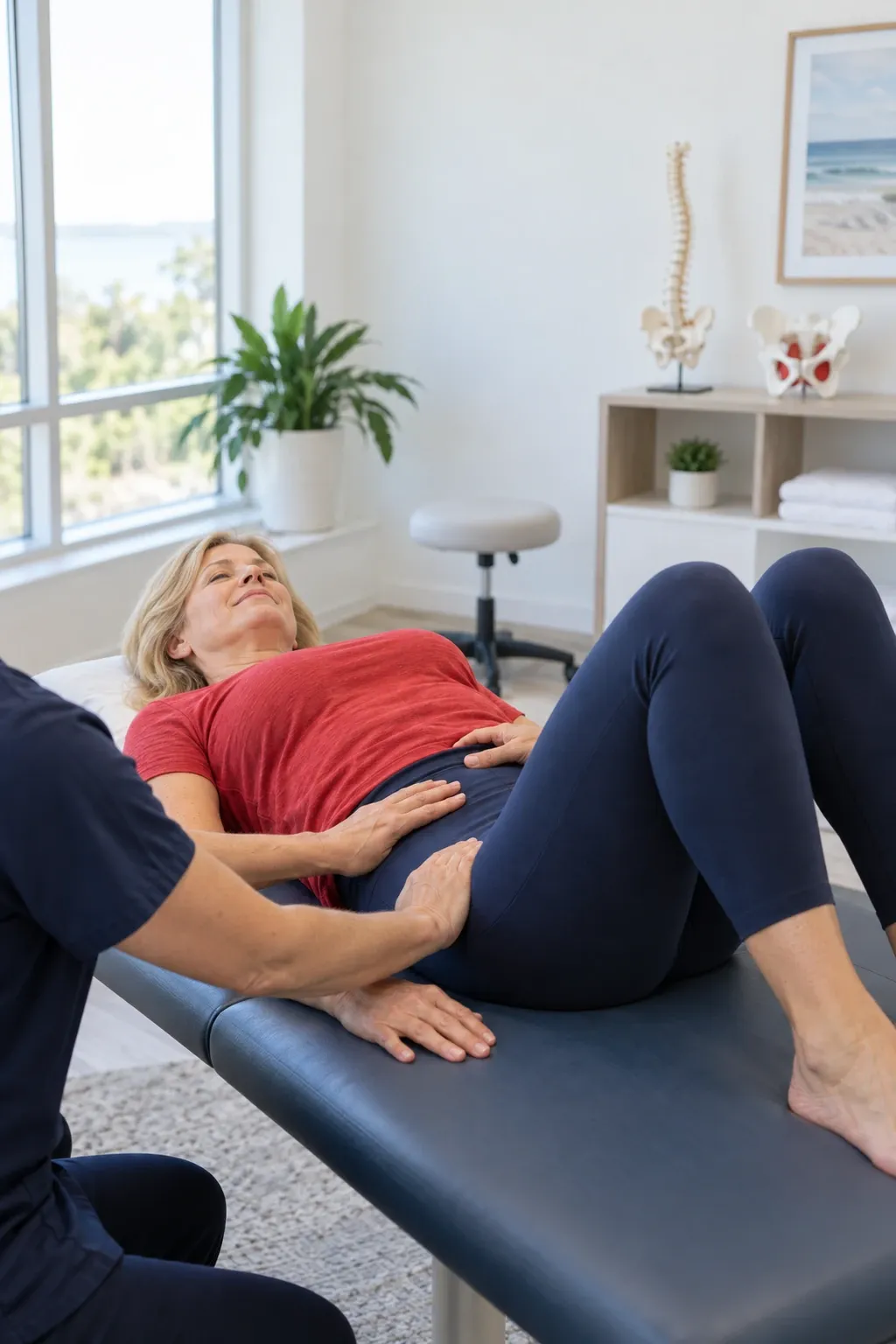
How Bladder Signals Affect Control
Overactive bladder is a group of symptoms: a sudden urge to urinate, going often during the day and waking at night to go, with or without leaks. It happens when the bladder muscle squeezes before the bladder is full.
Overactive bladder treatment usually starts with simple steps such as bladder training, cutting back on caffeine and pelvic floor exercise. A strong pelvic floor squeeze can help calm a sudden urge. Medicines and other procedures prescribed by a urologist are also options, and pelvic floor exercises at home remain helpful for most people.
An honest medical evaluation comes first. A urinary tract infection, bladder stones, diabetes, some medicines, constipation and nerve conditions can cause or worsen leaks. We check for these and refer you to a urologist or gynecologist when needed. See a doctor promptly for blood in the urine, pain, fever or sudden changes.
Identifying Your Triggers
Carrying a baby and vaginal delivery can stretch the pelvic floor muscles and the nerves that control them.
Lower estrogen after menopause can thin the tissues around the urethra and bladder, which may weaken the seal.
Removing or treating the prostate can affect the muscles that close off the bladder, so many men leak afterward.
A larger prostate can block flow, leading to urgency, frequent trips and dribbling after you finish urinating.
Added weight presses on the bladder and pelvic floor all day, which can make stress leaks more likely.
Repeated coughing or straining puts constant pressure on the pelvic floor and can weaken it over time.

Expert Care in Gulf Breeze
Finding Your Best Approach
Compare our in-office options in Gulf Breeze. Home pelvic floor exercises, medicines and surgery are other paths we discuss.
| Treatment | Best For | Session Time | Results Timeline | Maintenance |
|---|---|---|---|---|
| Emsella | Stress, urge and mixed leaks | About 30 minutes | Often after a few sessions | Typically 6 sessions, then as advised |
| Core to Floor Program | Core and pelvic floor strength | About 30 minutes per device | Builds over about 3 months | Maintenance as advised |

Recognizing When to Seek Help
Yes, many people improve without surgery. Pelvic floor exercises, bladder training and lifestyle changes help many patients. Emsella, an FDA-cleared chair, uses electromagnetic energy to trigger thousands of deep pelvic floor contractions while you sit fully clothed. Results vary, and some people still need care from a urologist or gynecologist, which we will discuss honestly with you.
Yes, Emsella is used for men as well as women. Men with leaks after prostate surgery or with a weak pelvic floor may benefit, and early studies in men after prostate removal are encouraging. A medical evaluation comes first, because an enlarged prostate or other causes may need care from a urologist before or alongside pelvic floor treatment.
Yes, the approach is somewhat different. Stress leaks come from a weak pelvic floor, so strengthening is the main focus. Overactive bladder involves a bladder muscle that squeezes too early, so bladder training and fewer irritants such as caffeine also matter. A stronger pelvic floor can help with both, which is why many plans combine several steps.
Yes, a medical evaluation comes before any treatment. We review your symptoms, health history and medicines, and we may check your urine for infection or blood. Some causes of leaks, such as infection, diabetes or nerve problems, need different care. If anything suggests a more serious problem, we refer you to a urologist or gynecologist.
Many patients complete a series of about six sessions, often twice a week, and each one takes about 30 minutes. Some people notice better control after a few visits, and strength keeps building for weeks after the series ends. Results vary, and Dr. Boler may suggest occasional maintenance sessions based on your progress.
No, Ready Pain Management does not accept insurance and works as a self-pay practice. Pricing is personalized and reviewed with you at your consultation, so you know your costs before you begin. Third-party financing is available through InstaPaytient with Affirm, subject to approval, and the financing provider sets the terms.
Yes, your first consultation and follow-up visits can be done by telemedicine, which many people find more comfortable for a private topic. Emsella and Core to Floor sessions are performed in person at our Gulf Breeze office. Telemedicine visits are offered Monday and Tuesday from 6:00 to 7:00 PM CST and on Thursday and Friday.
1337 Country Club Rd, Gulf Breeze, FL, 32563
Mon - Tue: 6 PM - 7 PM
Thu - Fri: 9 AM - 5 PM