Osteoarthritis
Cartilage wears thin with age and use, leaving the joint stiff, swollen and sore, especially after activity.

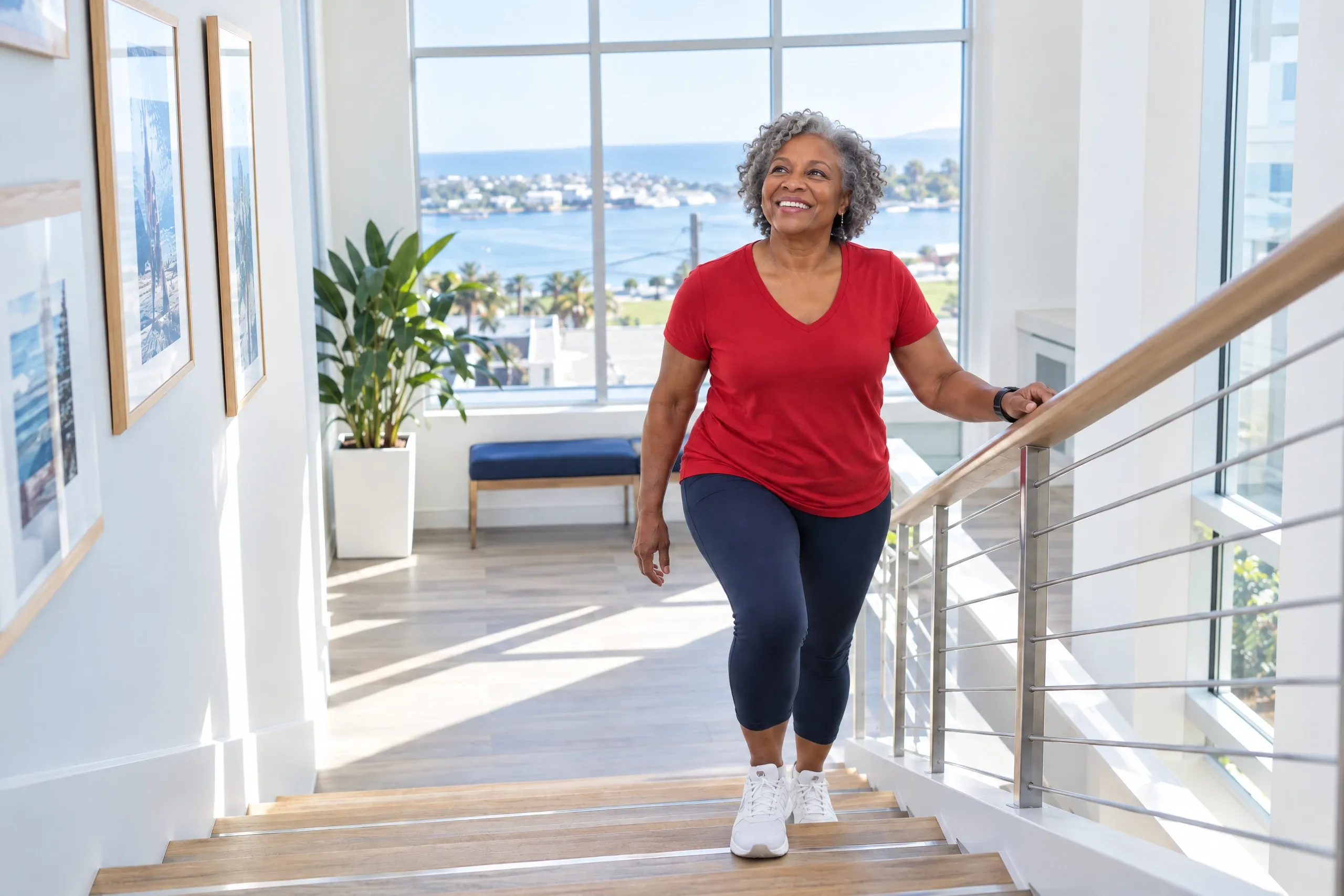
Non-Surgical Relief and Recovery for Knee Pain

Recognizing the Signs
Knee pain is one of the most common reasons adults slow down. It can come from worn cartilage, strained tendons, tight muscles or an old injury. Knee pain treatment at Ready Pain Management in Gulf Breeze, FL starts with finding the source, then using non-surgical care to help you move again.
When your knee hurts, stairs, kneeling and getting out of a car all become harder. You may feel stiffness in the morning, aching after a walk or a sharp pain when you twist.
Many people put off care and hope it fades. Over time, they walk less, lose leg strength and the pain often gets worse. Early, steady care can break that cycle.
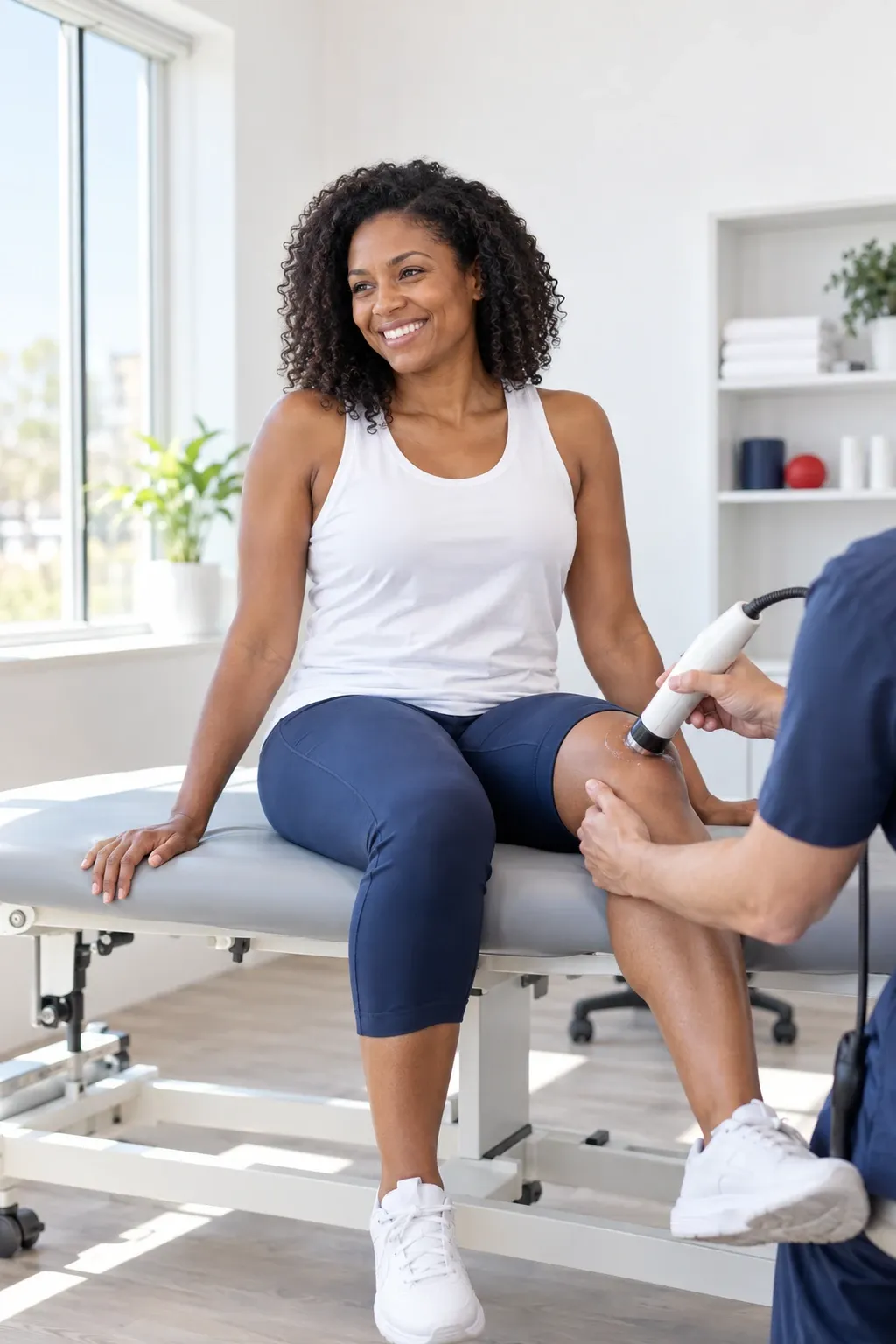
Understanding the Root Causes
The knee is a hinge joint that carries several times your body weight with each step on the stairs. Smooth cartilage cushions the bones, and strong thigh and hip muscles share the load. When cartilage thins, as in osteoarthritis, the joint becomes stiff and sore.
Tendons around the kneecap can also become irritated from overuse, a problem called tendinopathy. Weak or tight muscles change how the kneecap tracks, which adds stress to the front of the knee.
Pain itself leads people to move less. Less movement weakens the muscles that protect the knee, so more load falls on the joint. The MedlinePlus guide to knee injuries and disorders from the National Library of Medicine explains these common causes in plain language.
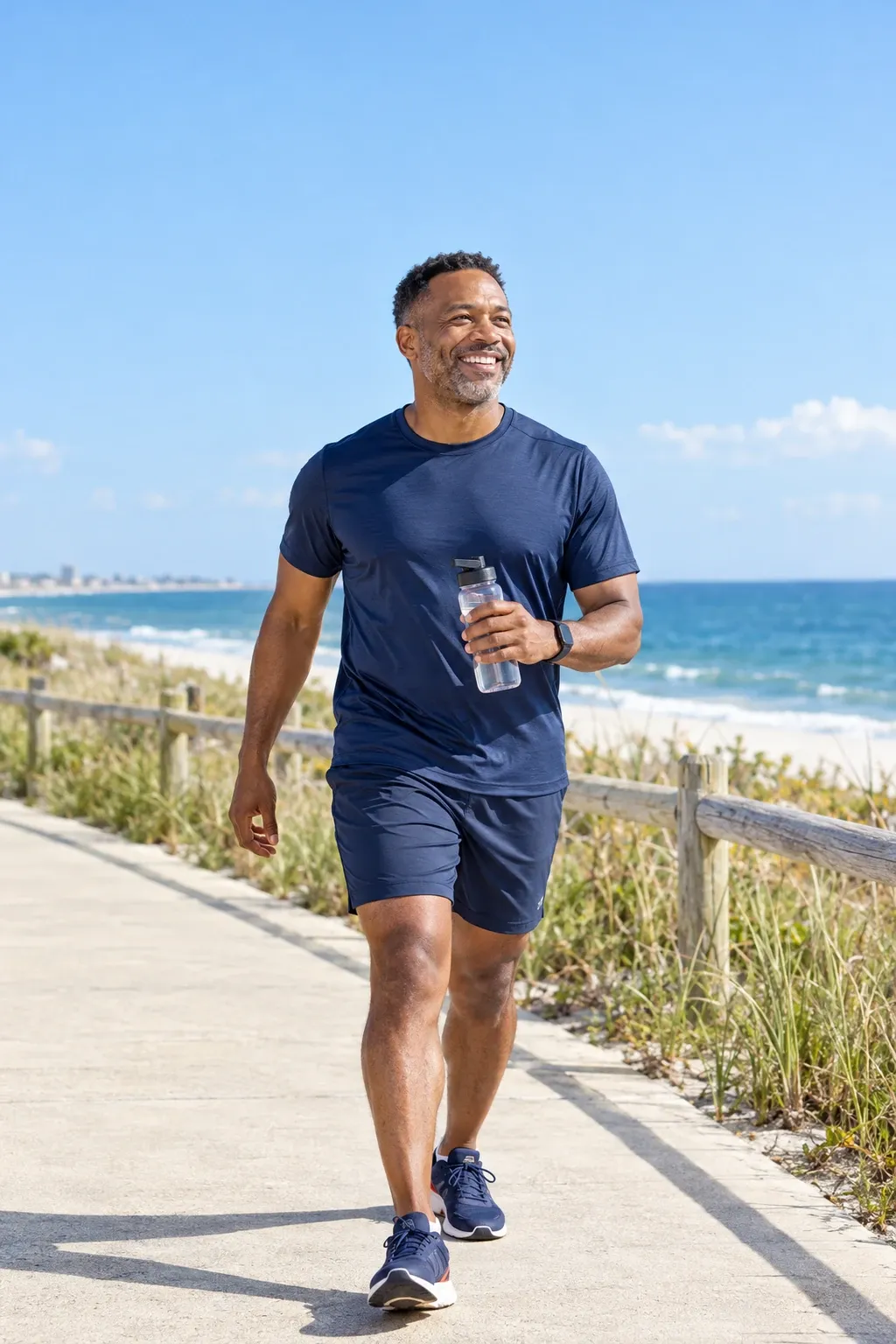
Treating the Joint and the Muscles Around It
Dr. Boler looks at the whole leg, not just the sore spot. Radial and focused shockwave therapy sends sound wave energy into irritated tendons and tissue to support the body's own healing response. Studies of shockwave for knee osteoarthritis report less pain and better function for many patients.
Tight muscles above and below the knee can send pain into the joint. Trigger point injections for muscle knots in the thigh or calf can ease that referred pain. Extra body weight adds load with every step, so physician-guided weight management can be part of the plan when it fits your goals.
Knee pain often travels with other problems. Explore our pages on relief for joint pain and arthritis pain relief, or read about the top causes of chronic pain in adults over 30.
Identifying Your Triggers
Cartilage wears thin with age and use, leaving the joint stiff, swollen and sore, especially after activity.
Each extra pound adds pressure through the knee with every step, which speeds wear on the joint.
When the quadriceps and hip muscles are weak, the knee absorbs more force and the kneecap may track poorly.
Running, jumping and repetitive kneeling can irritate tendons and the cushioning sacs called bursae.
An old ligament or meniscus injury can change how the knee moves and raise the risk of arthritis later.
Knotted muscles in the thigh and calf can pull on the knee and send pain into the joint.
Physician-Led, Non-Surgical Care
Finding Your Best Approach
Compare the non-surgical knee pain options we offer in Gulf Breeze, FL. Many plans combine two or more.
| Treatment | How It Helps | Needles | Downtime | Best For |
|---|---|---|---|---|
| Shockwave Therapy | Sound waves support healing | None | None | Tendon pain, arthritis |
| Trigger Point Injections | Calms tight muscle knots | Yes, small needle | Little to none | Referred muscle pain |
| Medical Weight Management | Lowers load on the knee | None | None | Knee pain with extra weight |
Recognizing When to Seek Help
Yes, many types of knee pain improve with non-surgical care. Guidelines for knee osteoarthritis recommend exercise, weight management and other conservative options before surgery. At Ready Pain Management, plans may include shockwave therapy, trigger point injections and weight support. If your exam points to a problem that needs surgery, we will tell you.
Shockwave therapy helps many people with knee tendon pain and knee osteoarthritis. Research reviews report less pain and better function after a series of sessions. Each session takes only minutes, needs no needles and has no downtime. Results vary, and Dr. Boler will tell you if your knee is a good fit.
See a doctor if knee pain lasts more than a few weeks or keeps you from normal activities. Seek prompt care if your knee is hot, red and swollen, if you have a fever, if you cannot bear weight or if the knee locks or gives way after an injury. These signs may need imaging or a specialist referral.
Losing even a modest amount of weight often eases knee pain. Every step loads the knee with a multiple of your body weight, so a smaller load means less stress on worn cartilage. Studies in people with knee osteoarthritis show less pain and better function after weight loss, especially when combined with exercise.
Pricing is personalized and reviewed at your consultation, since your plan depends on the cause of your knee pain. Ready Pain Management does not accept insurance and works on a self-pay basis. Third-party financing through InstaPaytient, offered through Affirm, is available subject to approval, with terms set by the financing provider.
Yes, your consultation and follow-up visits can be done by telemedicine. That visit lets Dr. Boler review your history, symptoms and any prior imaging. Hands-on treatments such as shockwave and trigger point injections are performed in person at our Gulf Breeze office on Thursdays and Fridays.
Ready Pain Management offers knee pain treatment at 1337 Country Club Rd in Gulf Breeze, FL, a short drive from Pensacola. We also see patients from Navarre, Pensacola Beach, Milton and the wider Florida Panhandle. Call (850) 735-4907 or book online to schedule your visit.
1337 Country Club Rd, Gulf Breeze, FL, 32563
Mon - Tue: 6 PM - 7 PM
Thu - Fri: 9 AM - 5 PM